






A survival rate dropping from 80 percent to 35 percent in just thirty minutes is the stark reality of heat stroke. This single metric emerged from 50,000 hospital admissions across 15 states recently. Consequently, it changes exactly how we approach heat stroke prevention India.
The National Centre for Disease Control (NCDC) and the Indian Council of Medical Research (ICMR) tracked this data during extreme summer temperatures. Therefore, their findings force a shift in strategy. We cannot just focus on getting a patient to a hospital. Instead, we must focus on what bystanders do immediately after a collapse.
Key Takeaways
- Cooling must begin within 30 minutes of symptom onset to maximize survival.
- Heat exhaustion features heavy sweating, while heat stroke presents with dry skin and confusion.
- The current medical consensus is to cool the person first and transport them second.
- Continuous pouring of cold water is the most effective immediate response.
The Mechanism of Heat Injury
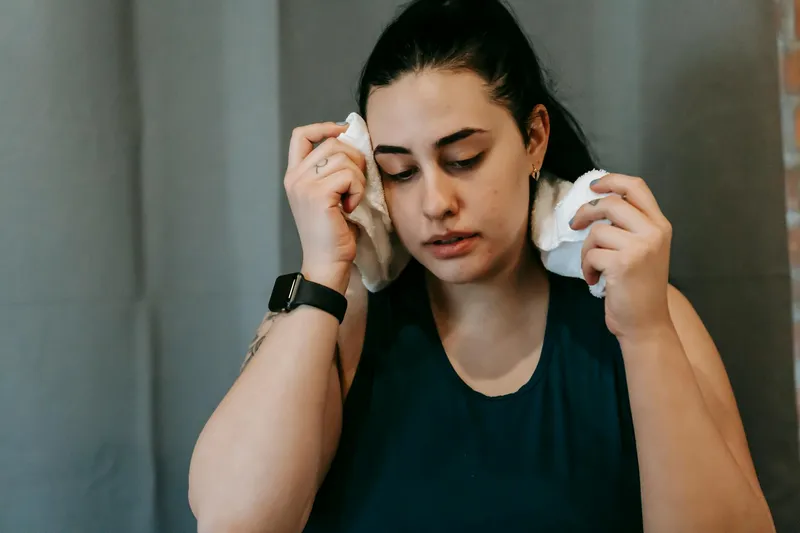
In public health outreach across rural clinics, we often see a disconnect between feeling hot and recognizing a true emergency. Heat exhaustion happens because the body loses excessive water and salt. The person sweats heavily and feels weak. However, heat stroke is fundamentally different. It is a complete failure of the temperature regulation system. As a result, the person stops sweating. Their skin becomes hot and dry. Confusion sets in, followed quickly by unconsciousness.
The Indian Council of Medical Research (ICMR) and the World Health Organization (WHO) explicitly state the current consensus. Immediate cooling at the site of collapse is strictly advised, rather than waiting for transport.
What the Evidence Actually Says
Bouchama et al., publishing in Critical Care in 2007, established the framework for treating this condition. They found that the rate of temperature reduction drives survival and organ recovery. Therefore, the target is lowering core body temperature by at least 0.1 degrees Celsius per minute.
Furthermore, the 2026 Indian surveillance data reinforces this finding on a massive scale. Patients who received effective cooling measures within that first half-hour window overwhelmingly recovered. Conversely, those who waited an hour or more faced severe organ damage or death. The evidence is clear. Time is tissue.
Effective Heat Stroke Prevention India Strategies
We know what works to stop the damage. Aggressive, immediate cooling saves lives. Because a bathtub of ice water is rarely available, alternatives exist. You can place the person on a tarp and pour cold water over them continuously. Also, you can rotate ice-water soaked towels over their body. Additionally, you can apply ice packs to the neck and groin while directing a fan at them.
The most dangerous mistake is waiting for an ambulance to start treatment. Bystanders must act immediately.
What You Can Do Now
The science gives us a clear directive. If you suspect heat stroke, call for emergency medical help immediately. However, do not stand still while waiting. First, move the person to the coolest possible spot. Then, start cooling them with whatever water you have. Fan them vigorously. Stop only when medical professionals take over.
Furthermore, prepare your community proactively. Check on elderly neighbors who live alone. Ensure outdoor workers have access to shade. Prevention is always better than response, but rapid response is the only way to survive a crisis.
I keep coming back to the gap between what we know and what we deliver on the ground. A bucket of water and a fan can save a life if used fast enough. The window is 30 minutes.
This article is for educational purposes only and does not constitute medical advice, diagnosis, or treatment recommendations. Consult a qualified healthcare provider for any health concerns. See our Medical Disclaimer.
Sources
Bouchama A, Dehbi M, Chaves-Carballo E. Cooling and hemodynamic management in heatstroke: practical recommendations. Critical Care. 2007; 11(3): R54. PMID: 17498312. DOI: 10.1186/cc5910.
National Centre for Disease Control and Indian Council of Medical Research. Heat wave hospital admissions and mortality surveillance report. 2026.